
Metal fabrication is a vital part of modern construction, manufacturing, and custom design. Nearly every industry relies on fabricated metal components to create buildings, machinery, vehicles, furniture, infrastructure, and architectural features that support everyday life. From simple brackets and frames to intricate staircases, structural beams, and decorative panels, fabricated metal products combine precision, durability, and versatility.
Advances in fabrication technology have also enabled the production of highly customized metal components that meet exact design specifications while maintaining exceptional quality. Understanding Metal Fabrication Boise helps homeowners, business owners, architects, and builders appreciate the craftsmanship behind many of the products they use every day.
What Is Metal Fabrication?
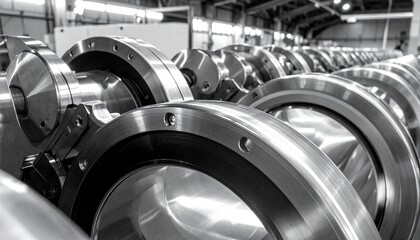
Metal fabrication is the process of transforming raw metal materials into finished products through a series of manufacturing techniques. These processes may include cutting, bending, shaping, welding, machining, assembling, and finishing metal to create components that meet specific structural or decorative requirements. Fabricators work from detailed drawings and measurements to ensure every piece is produced with precision and consistency. Whether creating a single custom item or manufacturing multiple identical parts, accuracy remains one of the most important aspects of the fabrication process. Careful craftsmanship results in products that are both functional and visually appealing.
The fabrication process can be applied to a wide variety of metals, including steel, stainless steel, aluminum, copper, and other specialized alloys. Each material offers different advantages depending on the intended application, such as strength, corrosion resistance, weight, or appearance. Choosing the right material allows fabricators to balance performance with long-term durability while meeting the project’s design objectives. Material selection is one of the earliest and most important decisions in any fabrication project. Proper planning helps ensure reliable performance throughout the product’s lifespan.
Why Is Metal Fabrication So Important?
Metal fabrication plays a critical role in supporting industries that depend on durable, precisely manufactured components. Buildings require fabricated structural elements, transportation systems rely on custom metal parts, and manufacturing facilities use fabricated equipment to keep operations running efficiently. Without skilled metal fabrication, many of the products and structures people rely on every day would not exist. The ability to produce strong and accurate metal components supports countless applications across residential, commercial, and industrial environments. Fabrication remains essential to modern construction and manufacturing.
Another reason metal fabrication is so valuable is its ability to accommodate custom designs. Unlike many mass-produced building materials, fabricated metal can be tailored to unique dimensions, complex shapes, and specialized performance requirements. Architects, engineers, designers, and property owners frequently rely on custom fabrication to create one-of-a-kind solutions that fit their specific projects. This flexibility encourages innovation while allowing greater creative freedom during design and construction. Custom fabrication helps turn complex concepts into practical reality.
What Are the Main Metal Fabrication Processes?
Cutting is one of the first and most important stages of metal fabrication because it prepares raw materials for further processing. Fabricators use a variety of cutting methods to achieve clean, accurate edges that meet project specifications. Once materials have been cut to size, they can be bent, formed, or shaped into the required configuration using specialized equipment and carefully controlled techniques. Precision during these early stages helps ensure that every component fits together correctly during assembly. Accurate preparation contributes to higher-quality finished products.
Welding and assembly follow after individual parts have been shaped and prepared. Welding permanently joins metal components to create strong, durable structures capable of supporting significant loads or withstanding demanding environments. After assembly, fabricated products often receive finishing treatments such as grinding, polishing, painting, or protective coatings that improve both appearance and resistance to corrosion. These finishing processes help extend the product’s lifespan while providing an attractive final appearance. Every fabrication stage contributes to overall quality and performance.
Where Is Metal Fabrication Used?
Metal fabrication serves an incredibly broad range of industries because of its versatility and strength. Construction projects rely on fabricated beams, staircases, railings, structural supports, canopies, gates, fences, and architectural features that contribute to both safety and visual appeal. Residential properties also benefit from custom metal fabrication through decorative railings, pergolas, furniture, shelving, and outdoor living features designed to match the home’s architecture. Fabricated metal products enhance both functionality and aesthetics across many types of projects. Their versatility makes them suitable for countless applications.
Commercial and industrial facilities depend heavily on fabricated metal components as well. Manufacturing plants use custom machinery parts, equipment frames, platforms, conveyor systems, and protective barriers designed specifically for their operations. Retail spaces, office buildings, restaurants, and public facilities often incorporate fabricated architectural elements that improve both appearance and durability. Every industry benefits from metal products built to meet precise operational requirements. Reliable fabrication supports long-term performance in demanding environments.
What Are the Benefits of Custom Metal Fabrication?
One of the greatest advantages of custom metal fabrication is the ability to create products that fit exact project requirements rather than relying on standard, off-the-shelf components. Customized fabrication allows designers and builders to maximize available space while ensuring every part integrates seamlessly into the overall project. This flexibility often improves efficiency, simplifies installation, and enhances the finished appearance. Personalized fabrication creates solutions that standard products cannot always provide. Custom work supports greater creativity and functionality.
Quality is another significant benefit of custom fabrication. Skilled fabricators carefully inspect measurements, material selection, welding, assembly, and finishing throughout the production process to ensure every product meets established quality standards. This attention to detail contributes to greater durability, improved structural integrity, and longer service life. Well-fabricated products frequently require less maintenance while continuing to perform reliably for many years. Investing in quality craftsmanship provides lasting value over time.
What Should You Consider Before Starting a Metal Fabrication Project?
Successful fabrication projects begin with thorough planning and clearly defined objectives. Homeowners, architects, contractors, and business owners should determine how the finished product will be used, what loads it must support, where it will be installed, and what appearance they hope to achieve. Establishing these requirements early allows fabricators to recommend suitable materials, fabrication methods, and finishing options. Careful planning helps avoid unnecessary revisions during production. Clear communication supports successful project outcomes.
Long-term durability, maintenance requirements, and environmental conditions should also influence design decisions. Products installed outdoors may require corrosion-resistant materials or specialized protective coatings, while interior architectural features may prioritize appearance and decorative detailing. Budget, installation requirements, and future maintenance expectations should all be considered before fabrication begins. Well-informed decisions help create products that continue performing effectively throughout their intended lifespan. Thoughtful planning contributes to greater long-term satisfaction.
How Can Metal Fabrication Add Long-Term Value?
Professionally fabricated metal products provide lasting value by combining durability, precision, and timeless design. High-quality fabrication reduces the likelihood of premature failure while allowing structures and components to perform reliably despite years of regular use. Durable materials and careful craftsmanship often result in lower maintenance costs compared to less robust alternatives. Long-lasting products provide excellent value throughout their service life. Investing in quality fabrication supports dependable performance.
Custom fabricated metal features also contribute to the overall appearance and functionality of a property or facility. Architectural staircases, decorative railings, structural accents, custom furniture, and exterior features create distinctive environments that leave lasting impressions on visitors and potential buyers. Professionally fabricated components demonstrate attention to detail while enhancing both aesthetic appeal and practical usability. Attractive custom features often strengthen overall property value. Quality craftsmanship remains evident for years after installation.
Final Thoughts
Metal fabrication is a fundamental process that supports construction, manufacturing, architecture, and countless custom projects across residential, commercial, and industrial industries. Through precise cutting, shaping, welding, assembly, and finishing, skilled fabricators transform raw materials into durable products that combine strength, functionality, and visual appeal. Whether creating structural components, architectural features, machinery, or decorative elements, quality metal fabrication provides reliable solutions that stand the test of time. Investing in professional metal fabrication ensures products are built with precision, durability, and craftsmanship that deliver lasting performance and long-term value.
